Choosing High-Quality Furniture: A Sustainable Way of Living
18 May 2025
Introduction In a world driven by fast trends and throwaway culture, furniture often becomes a casualty of convenience. But what if the key to a more sustainable lifestyle lies not just in recycling or using less plastic, but in how we furnish our homes?
As a product design professor and furniture specialist, I've seen how the right choices in materials, craftsmanship, and design can lead to not only beautiful living spaces but also a healthier planet. In this article, I want to show you how choosing high-quality furniture is one of the most effective — and often overlooked — ways to live sustainably.
Why Most Furniture Today Doesn’t Last Fast furniture, much like fast fashion, is made to be cheap, trendy, and temporary. Mass-produced items from low-cost materials like particleboard or PVC may look good for a year or two, but their short lifespan means they end up in landfills quickly.
According to the U.S. Environmental Protection Agency, over 12 million tons of furniture are discarded annually, with 80% ending up in landfills (EPA, 2018).
This cycle isn't just wasteful — it's energy-intensive. Manufacturing, transporting, and disposing of low-quality furniture consumes fossil fuels, deforests ecosystems, and releases toxins.
What Makes Furniture “High Quality”? High-quality furniture is made to last for decades, not years. Here’s how you can recognize it:
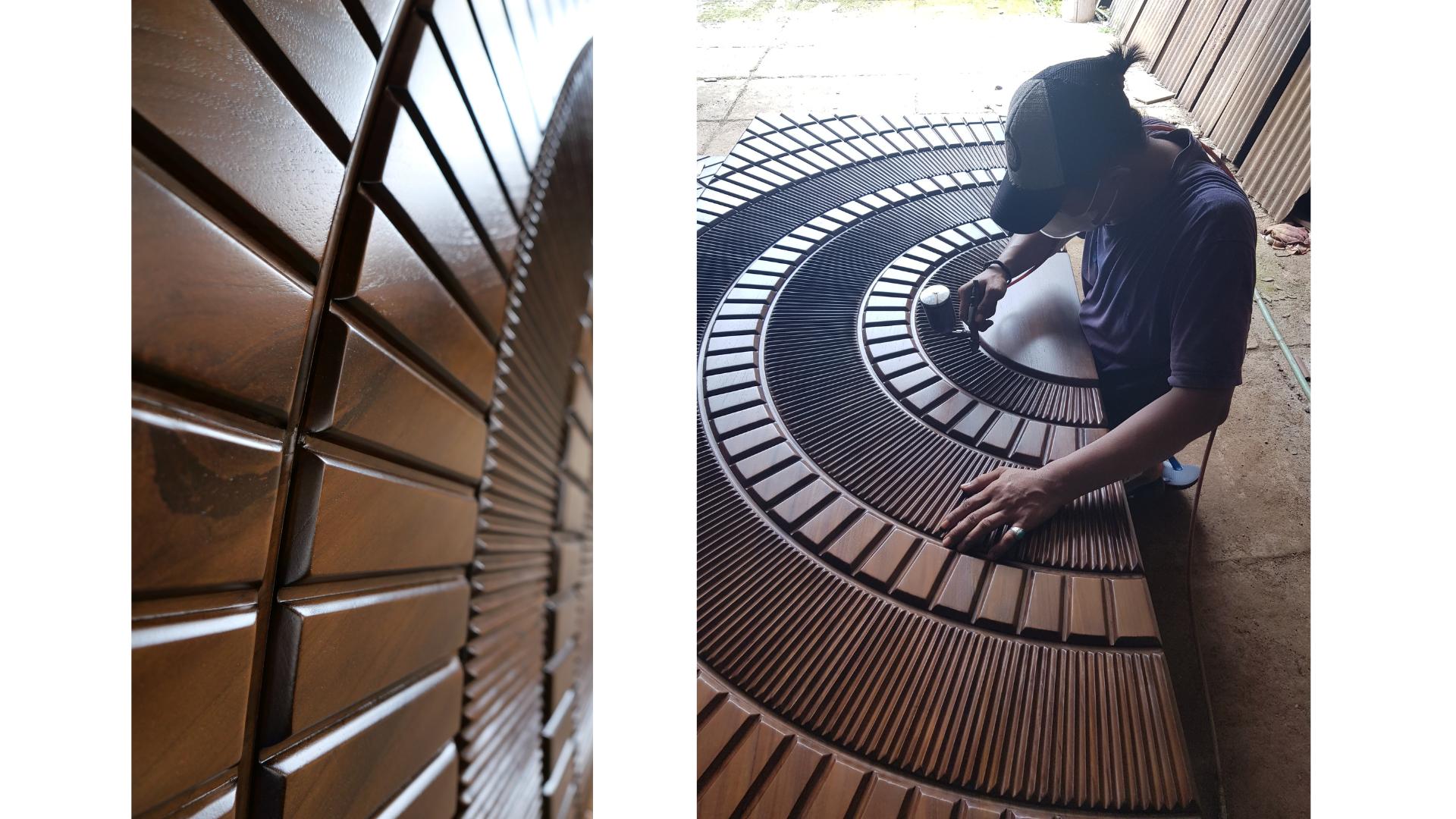
1. Solid Wood, Not Veneer Real wood like Javanese teak, oak, or walnut resists moisture, dents, and insects better than MDF or particleboard. Teak, for instance, contains natural oils that make it almost weatherproof, which is why it's often used for boat decks and luxury outdoor furniture (National Hardwood Lumber Association, 2020).
2. Joinery, Not Screws Look for traditional joinery methods like dovetails, mortise-and-tenon, or finger joints. These provide structural strength that won’t wobble or loosen over time — unlike mass-market pieces held together by screws and glue.
3. Ergonomic Design Good furniture respects the human body. A well-designed chair supports the spine; a desk keeps your arms and eyes in a natural posture. This isn’t just comfort — it’s long-term health. A 2019 study from Cornell University showed that ergonomically designed furniture reduces musculoskeletal strain and increases productivity in work-from-home settings.
As a product design professor and furniture specialist, I've seen how the right choices in materials, craftsmanship, and design can lead to not only beautiful living spaces but also a healthier planet. In this article, I want to show you how choosing high-quality furniture is one of the most effective — and often overlooked — ways to live sustainably.
Why Most Furniture Today Doesn’t Last Fast furniture, much like fast fashion, is made to be cheap, trendy, and temporary. Mass-produced items from low-cost materials like particleboard or PVC may look good for a year or two, but their short lifespan means they end up in landfills quickly.
According to the U.S. Environmental Protection Agency, over 12 million tons of furniture are discarded annually, with 80% ending up in landfills (EPA, 2018).
This cycle isn't just wasteful — it's energy-intensive. Manufacturing, transporting, and disposing of low-quality furniture consumes fossil fuels, deforests ecosystems, and releases toxins.
What Makes Furniture “High Quality”? High-quality furniture is made to last for decades, not years. Here’s how you can recognize it:
1. Solid Wood, Not Veneer Real wood like Javanese teak, oak, or walnut resists moisture, dents, and insects better than MDF or particleboard. Teak, for instance, contains natural oils that make it almost weatherproof, which is why it's often used for boat decks and luxury outdoor furniture (National Hardwood Lumber Association, 2020).
2. Joinery, Not Screws Look for traditional joinery methods like dovetails, mortise-and-tenon, or finger joints. These provide structural strength that won’t wobble or loosen over time — unlike mass-market pieces held together by screws and glue.
3. Ergonomic Design Good furniture respects the human body. A well-designed chair supports the spine; a desk keeps your arms and eyes in a natural posture. This isn’t just comfort — it’s long-term health. A 2019 study from Cornell University showed that ergonomically designed furniture reduces musculoskeletal strain and increases productivity in work-from-home settings.

← Back to Blog